When people think about upgrading a consumer unit, they often assume it’s a simple case of removing the old board and fitting a new one.
Why Measuring Maximum Demand Matters When Planning Electrical Upgrades
In reality, a proper consumer unit upgrade should be designed around how your Devonshire property actually uses electricity — not assumptions, averages, or generic figures.
One of the most important parts of that process is measuring your maximum demand (maximum electrical load) over time.
What Is Maximum Demand?
Maximum demand is the highest level of electrical load your Devonshire property places on the supply during normal use.
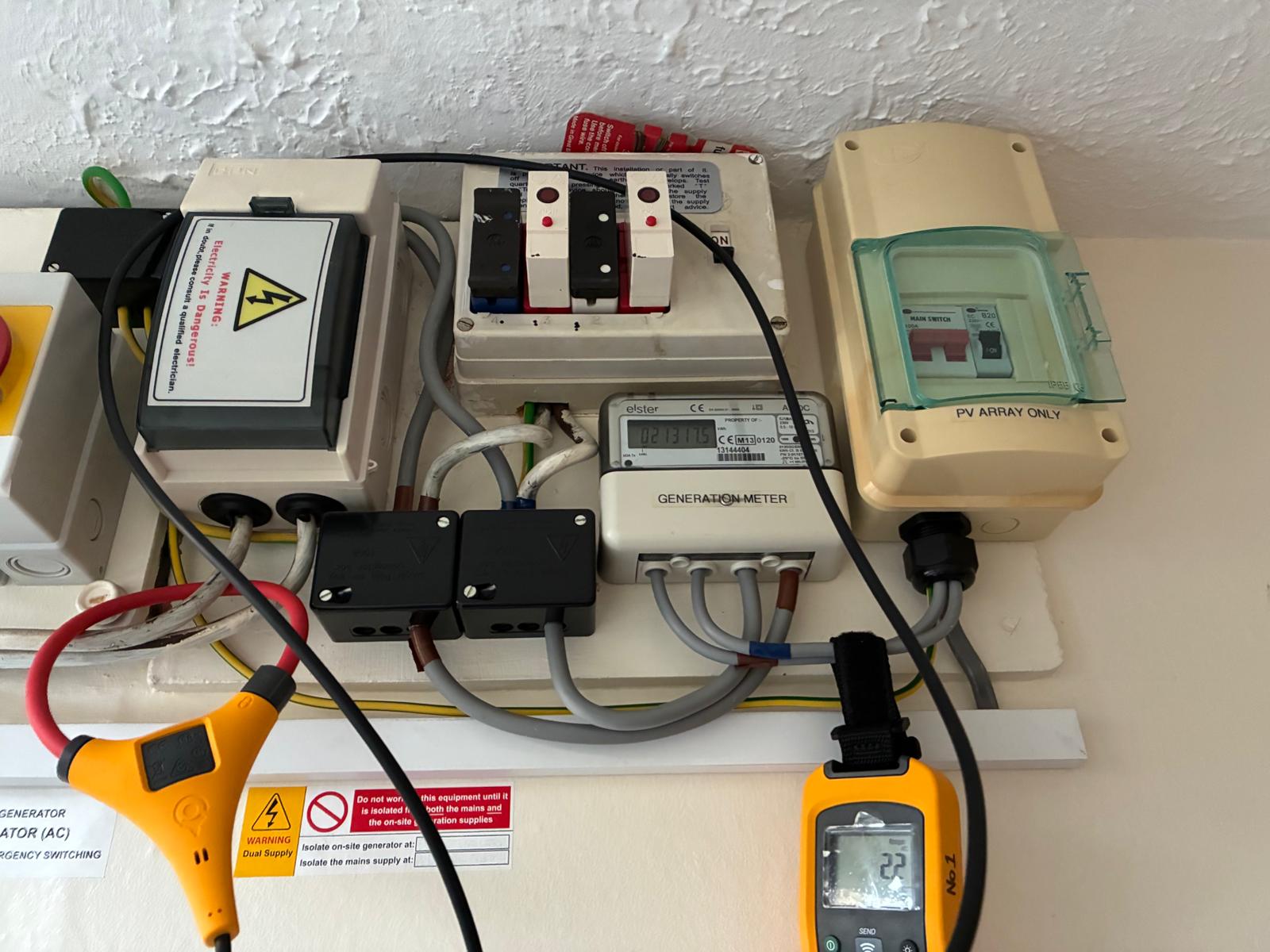
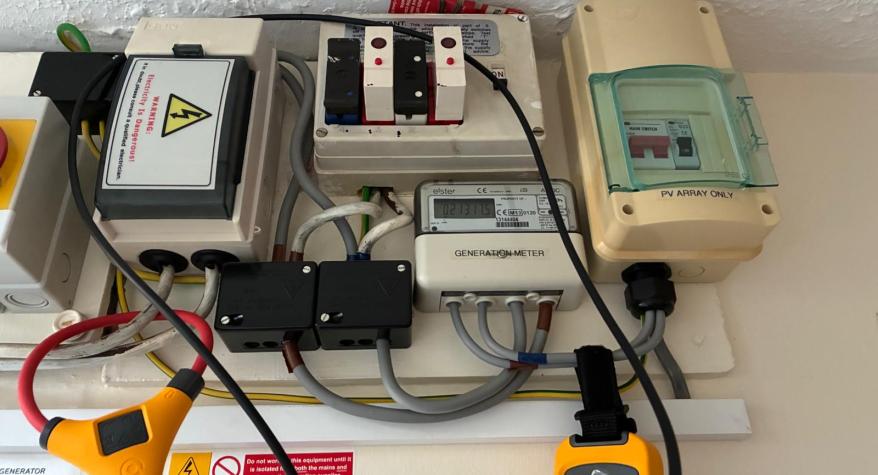
Rather than guessing, we measure this using monitoring equipment over a period of time — ideally up to a week. This captures:
- Day-to-day usage
- Peak times (mornings, evenings, weekends)
- The effect of high-load appliances running together
This gives a true picture of how your electrical system behaves in the real world.
Why a One-Off Reading Isn’t Enough
A single snapshot test only shows what’s happening at that exact moment. It doesn’t account for:
- Electric showers, ovens, or induction hobs running together
- EV chargers, heat pumps, or future upgrades
- Seasonal or lifestyle changes
Monitoring over several days ensures we’re designing your upgrade around real usage, not best guesses.
What This Means for You as a Customer
Measuring maximum demand properly gives you several long-term benefits:
1. A Consumer Unit Designed for Real Use
Your new board is specified based on actual load, not over- or under-estimated figures. This means:
- Correct main switch and protective device ratings
- Better system stability
- Reduced risk of nuisance tripping
2. Built-In Capacity for Future Upgrades
If you’re planning — or even just considering — things like:
- EV charging
- Electric heating
- Home offices
- Extensions or renovations
We can allow for this now, avoiding unnecessary changes later.
3. No Overengineering (or Cutting Corners)
Oversizing equipment can be just as poor practice as undersizing it. Measuring demand means:
- You’re not paying for equipment you don’t need
- Your installation still complies fully with current regulations
- Everything is proportionate, justified, and documented
Why It Matters to Us as the Installer
From our side, measuring maximum demand allows us to:
- Verify that the existing supply is suitable
- Confirm main fuse and meter tail capacity
- Design the upgrade responsibly and compliantly
- Stand behind the installation with confidence
It also forms part of a proper electrical load / demand assessment, which is a core element of how we approach consumer unit upgrades
A Smarter Way to Approach “Continuing Upgrades”
Electrical systems rarely stay static. Properties evolve, usage increases, and expectations change.
By measuring maximum demand properly:
- Your consumer unit upgrade becomes a foundation, not a short-term fix
- Future work is easier, safer, and more cost-effective
- Decisions are based on evidence, not assumptions
In Summary
Measuring maximum demand over time:
- Gives a true picture of how your home uses electricity
- Ensures your consumer unit upgrade is correctly designed
- Protects you against problems as your electrical needs grow
- Allows us to install and certify your system with confidence
It’s a small step in the process — but it makes a big difference to the quality and longevity of the final installation.
If you'd like to learn more, get in touch with us today.