Why Induction Hob Installations in Pinhoe Are Not Always as Straightforward as They Appear
Many homeowners assume that installing a new induction hob simply involves connecting a power supply and switching the appliance on.
In reality, modern induction and ceramic hobs are becoming increasingly sophisticated, with manufacturers designing products that can be installed in multiple countries and on a variety of electrical supply arrangements.
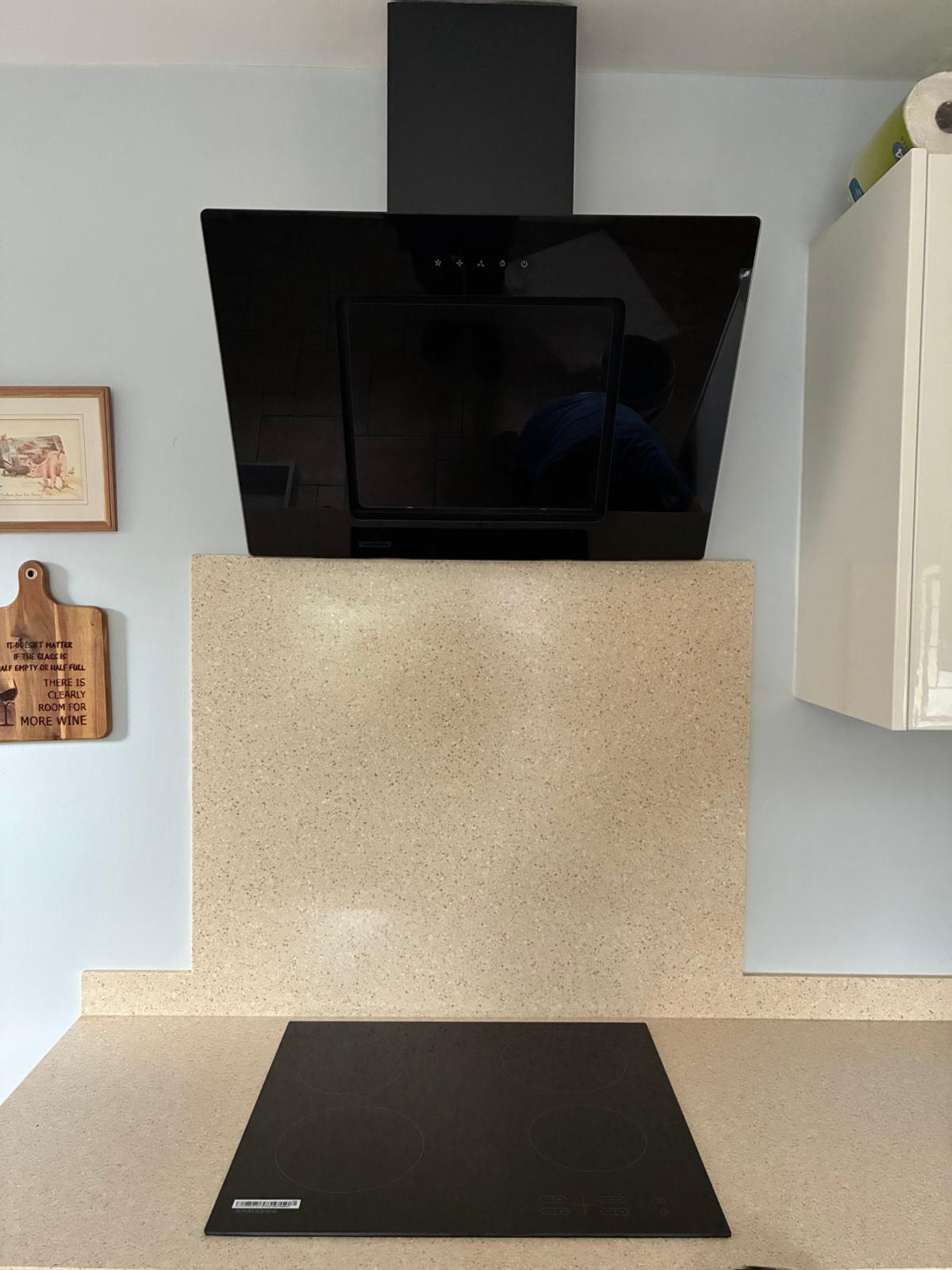
During a recent induction hob installation, we encountered a detail that highlights why professional installation involves far more than simply connecting cables.
Understanding Manufacturer Wiring Instructions During Hob Installation in Pinhoe
Modern appliances are often designed for international markets and can be configured for different electrical systems.
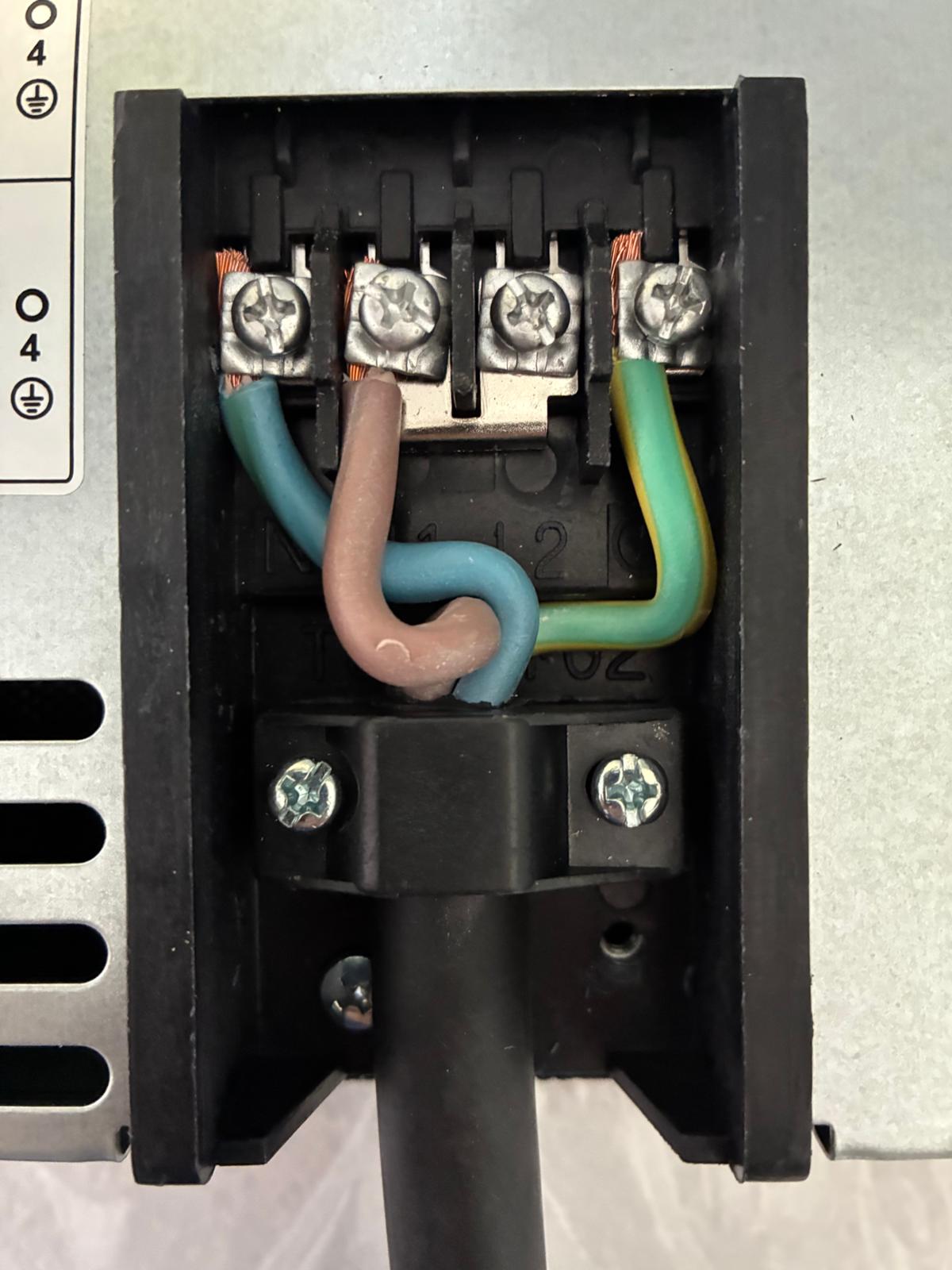
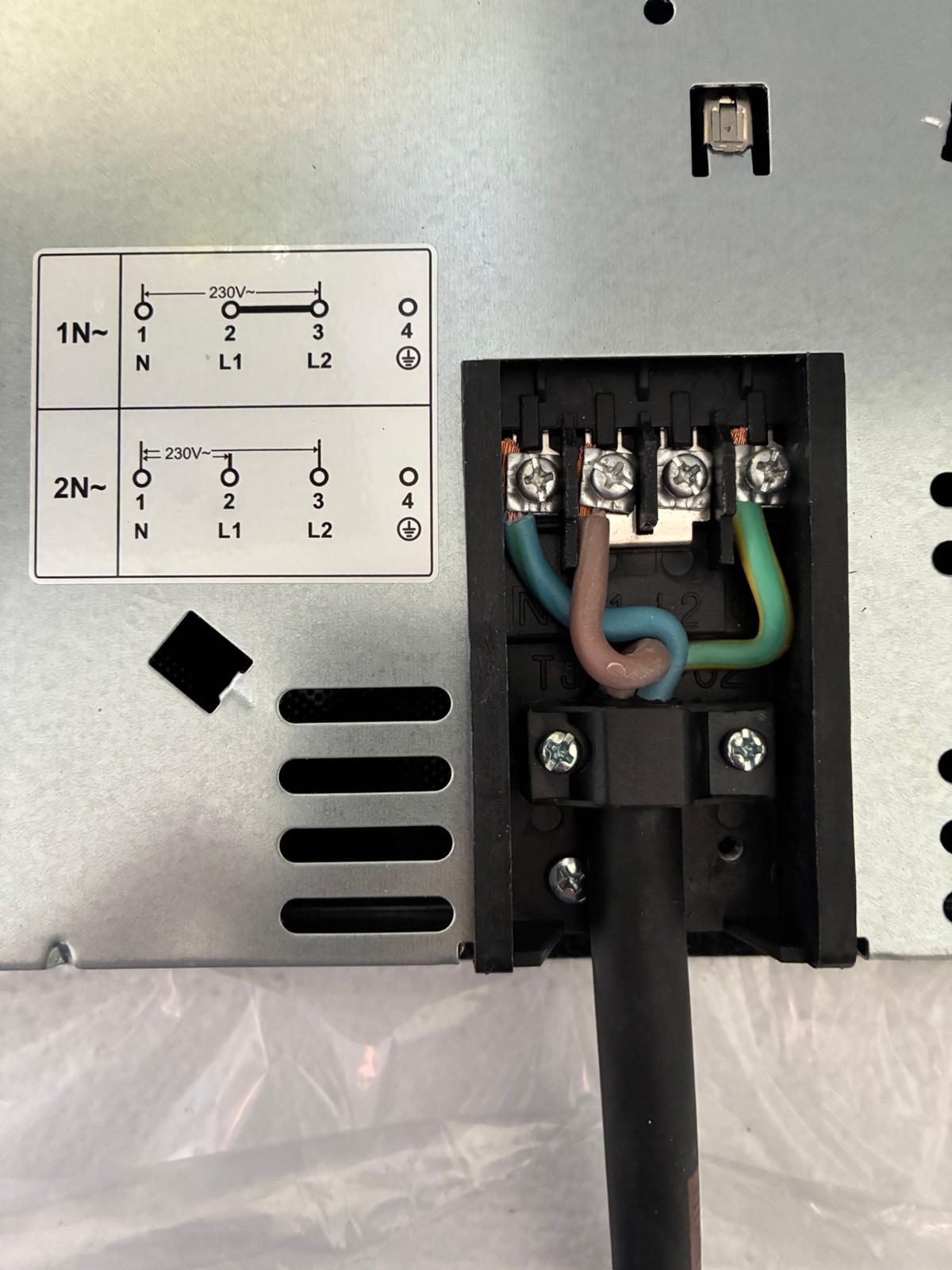
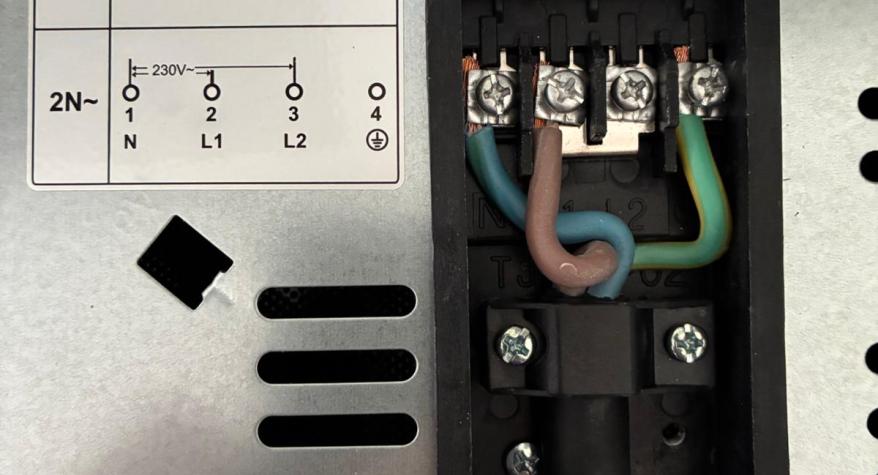
The Samsung induction hob being installed included several possible connection arrangements within its terminal block, allowing it to be used on either one or two electrical supplies depending on the installation requirements.
While this flexibility is useful, it also means installers must carefully follow the manufacturer’s instructions rather than relying on assumptions or previous experience.
Every installation should be carried out in accordance with the supplied wiring diagram to ensure the appliance operates correctly and safely.
Why Correct Terminal Linking Is Important for Induction Hob Installations in Pinhoe
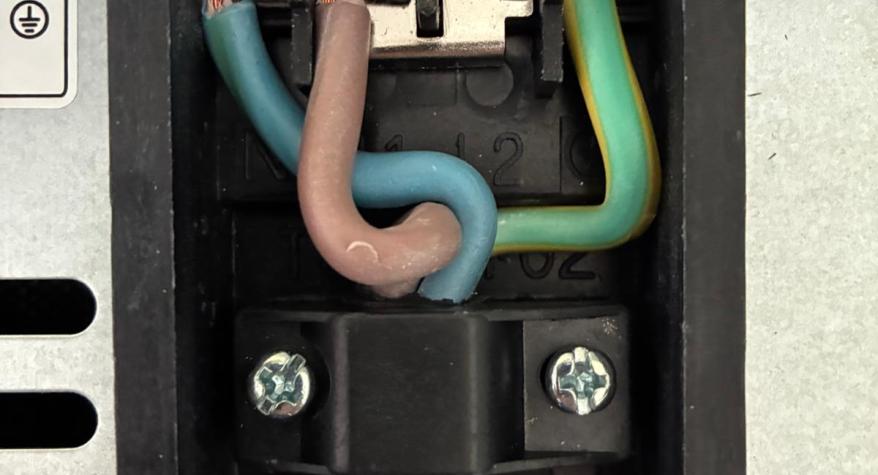
During this installation, the manufacturer’s instructions specified that a link was required between certain terminals for a standard UK domestic supply arrangement.
Although this may appear to be a small detail, it is essential to the operation of the appliance.
Without the correct terminal link:
- Only part of the hob may function correctly
- Faults may develop that are difficult to diagnose
- Performance may be affected
- The appliance can appear faulty despite being connected to a live supply
Small details like this often make the difference between an installation that simply powers up and one that performs exactly as intended.
Professional Hob Installation in Pinhoe Involves More Than Connecting Cables
A significant part of electrical installation work involves understanding how equipment is designed to operate.
This includes:
- Reading manufacturer instructions
- Verifying supply arrangements
- Confirming appliance requirements
- Following installation guidance precisel
- Testing operation after installation
Modern appliances often include multiple configuration options that are not immediately obvious, making attention to detail a critical part of the installation process.
Why Manufacturer Instructions Matter for Electrical Installations in Pinhoe
Electrical products are tested and certified based on the installation methods specified by the manufacturer.
Following those instructions helps ensure:
- Correct operation
- Long-term reliability
- Compliance with requirements
- Reduced likelihood of future faults
The most successful installations are often the ones where the smallest details receive the greatest attention.
Induction Hob Installation in Pinhoe – Summary
This recent induction hob installation highlights an important principle within electrical work: understanding the manufacturer’s requirements is just as important as making the physical connections.
Modern induction hobs often include multiple wiring configurations, and small details such as terminal links can have a significant impact on how the appliance performs.
When installed correctly and in accordance with the manufacturer’s instructions, the result is an appliance that not only works but works exactly as intended.
It’s often the small details that make the biggest difference.
Get in touch with Two Moors Electrical today!