We were recently contacted by a homeowner who had noticed heating at certain plug sockets when appliances were in use. Understandably, this raised concerns about the safety of the electrical installation.
Rather than carrying out a quick repair in isolation, it was agreed that the best course of action was to complete a full Electrical Installation Condition Report (EICR). This allowed the issue to be investigated properly — and ensured nothing else was being overlooked.
An EICR Call-Out That Revealed More Than Expected
What We Found at the Socket Outlets
During testing of the socket circuits, the fixed wiring itself was found to be in good condition. There were:
- No loose terminations
- No signs of overheating within the circuit wiring
- No issues with circuit protection
This told us the problem wasn’t within the permanent wiring.
Further checks showed the heat was being generated inside the socket outlets themselves, rather than the cables feeding them. The affected sockets were replaced on site, resolving the immediate issue safely and efficiently.
Additional Findings During the Inspection
As part of the wider EICR, we also inspected the first-floor lighting circuits. This is where a more concerning issue was identified.
The downlights installed on the first floor had:
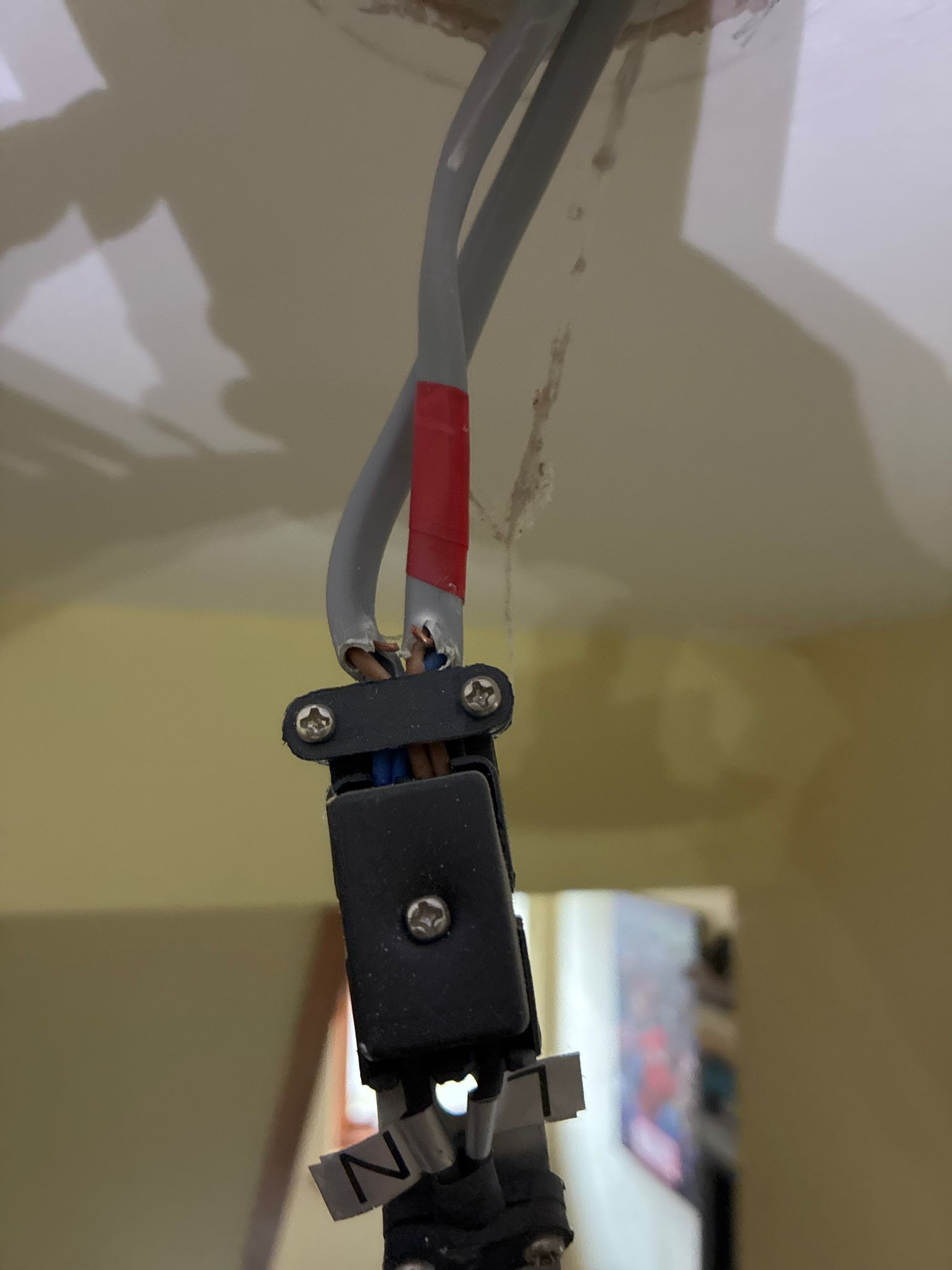
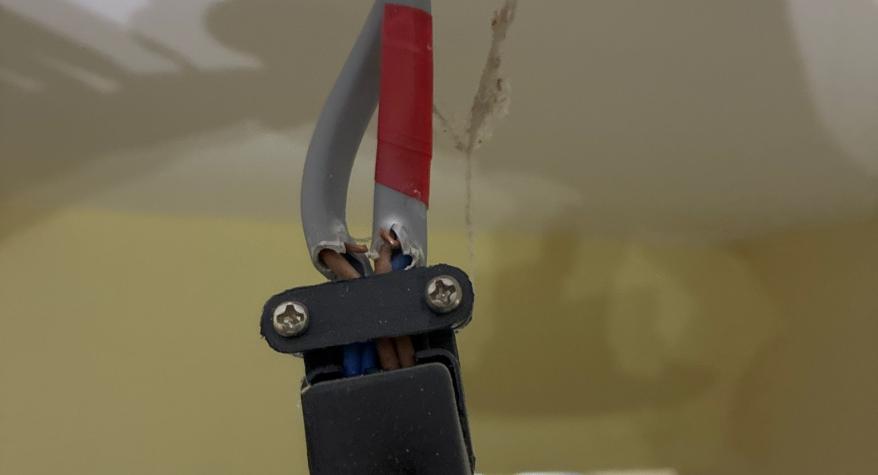
- Live and neutral conductors connected
- No continuous earth conductor present at the fittings
While the main body of the downlights was plastic, each fitting included a metal bezel, meaning earthing was still required.
Why This Was a Problem
Without a continuous earth:
- Fault protection is compromised
- A metal component could become live under fault conditions
- Protective devices may not operate as intended
In addition, we were unable to confirm whether the downlights were fire-rated.
These fittings were installed in a first-floor ceiling cavity, with a habitable living space above. Without confirmed fire-rated protection, this raised concerns around:
- Fire spread through the ceiling
- Loss of compartmentation
- Compliance with current standards
Why This Might Have Gone Unnoticed
This issue wasn’t obvious at a glance:
- The lights were working normally
- The fittings looked modern
- The plastic bodies gave a false sense of security
Only by removing fittings, checking terminations, and verifying earthing continuity was the problem identified.
This is a good example of how electrical issues can remain hidden until a proper inspection is carried out.
The Recommended Solution
The findings were explained clearly to the homeowner, along with the recommended next steps.
The most appropriate solution was to:
- Replace the existing downlights with proper fire-rated fittings
- Reinstate and correctly connect the earthing conductors
- Ensure the lighting circuit is fully compliant and safe
This addresses both the electrical safety issue and the fire safety concern in one step.
Why This Matters
This inspection highlights an important point:
you can be called out for one issue and discover another that’s equally serious.
If we had only replaced the sockets:
- The earthing issue would have remained
- Fire safety concerns would not have been addressed
- The homeowner would have had a false sense of security
An EICR allows the installation to be looked at as a whole, not just in isolated parts.
The Value of a Thorough Inspection
A well-carried-out EICR:
- Identifies hidden issues
- Prioritises safety proportionately
- Provides clear, documented findings
- Helps homeowners make informed decisions
In this case, it ensured that both an immediate issue and a potentially dangerous hidden issue were identified and managed properly. If you'd like to enquire about booking an EICR in Devon, get in touch with us today.